


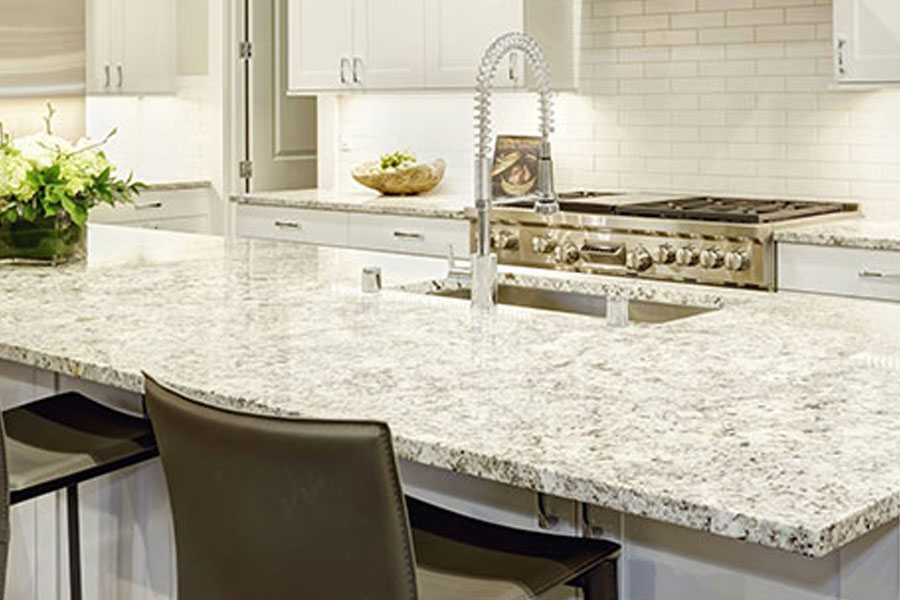
Countertops are the workhorse of any kitchen — they need to withstand daily chopping, hot pans, spills, and years of wear while still looking beautiful. With so many countertop materials available, choosing the right one for your home can feel like a big decision. This guide compares three of the most popular options — quartz, granite, and Cambria — to help you find the best fit for your lifestyle and design goals.
Granite: Natural Beauty, One-of-a-Kind Character
Granite has long been a favorite for kitchen countertops thanks to its natural stone beauty. Because each slab is quarried from the earth, no two granite countertops look exactly alike, giving your kitchen a truly unique focal point. Granite is also highly heat-resistant, making it a practical choice for cooks who frequently work with hot cookware.
On the downside, granite requires periodic sealing to resist staining and moisture absorption, and its natural variation means you'll want to see the actual slab in person before committing, rather than relying on a sample chip.
Quartz: Engineered Consistency and Low Maintenance
Quartz countertops are engineered from crushed natural quartz combined with resins, resulting in a surface that's non-porous and doesn't require sealing. This makes quartz highly resistant to stains and bacteria growth, a big advantage for busy kitchens. Quartz also offers more consistent coloring and patterning than natural stone, which appeals to homeowners who want a more uniform, predictable look throughout their kitchen.
The tradeoff is that quartz is slightly less heat-tolerant than granite, so trivets and hot pads are recommended for very hot cookware.
Cambria: Premium Quartz Craftsmanship
Cambria is a well-known American-made quartz brand recognized for its wide range of design options and consistent quality control. Like other quartz surfaces, Cambria countertops are non-porous, low-maintenance, and don't require sealing. Cambria is often chosen by homeowners who want the practicality of quartz combined with a broader palette of premium design patterns, from marble-inspired veining to bold, modern colorways.
Because Cambria is a specific manufacturer rather than a material category, quality and design consistency tend to be very reliable across their product line.
Which Countertop Fits Your Kitchen?
Choosing between granite, quartz, and Cambria often comes down to a few key questions:
Do you want a completely natural, one-of-a-kind stone look, or a more consistent engineered pattern?
How much maintenance are you willing to commit to over time?
Is heat resistance a top priority in your cooking habits?
Does your design vision lean toward classic natural stone or modern engineered surfaces?
Homeowners near the lake, in particular, often appreciate the durability of quartz and Cambria surfaces, which hold up well in busy, high-traffic kitchens used for entertaining.
Seeing Samples in Person Makes the Difference
Photos and swatches only tell part of the story — countertop color, veining, and texture look different depending on lighting and surrounding cabinetry. That's why an in-person consultation, with real slabs and samples paired against your cabinet choices, is the best way to make a confident decision.
Find Your Perfect Countertop
Choosing the right countertop is easier with guidance from a team that works with these materials every day. Read more about our design approach and team background on our About Us page, and visit our showroom to see quartz, granite, and Cambria samples firsthand — check hours and directions on our Location page.